
The turn-based RPG was once treated as a dusty parlor trick, a slow-motion relic in an industry chasing adrenaline. Then came 2023, a year that rearranged the furniture of the genre with the force of a spring flood. From the sun-washed shores of Sea of Stars to the fungal dread of World of Horror, the calendar read like a hidden greenhouse suddenly throwing open its doors. Even in 2026, these games remain less like products of their time and more like a patient clockmaker’s restoration of a beloved timepiece.

Three years later, the landscape has shifted again. Yet the best of 2023 feel less like time capsules and more like living canon, the way a well-made lens changes how every game behind it is seen.
🏆 Baldur's Gate 3: The Benchmark
By 2026, Baldur's Gate 3 has become shorthand for ambition done right. Larian Studios built a game with wonderfully written companions, hidden depths in its D&D-inspired mechanics, and a main story that managed to honor the original two games while welcoming newcomers. It did not simply launch; it detonated. The industry still moves to the aftershocks.
In the same way that Grand Theft Auto 3 redrew the open world, Baldur's Gate 3 redrew what a turn-based RPG could be. Its characters felt like people you might meet in a fever dream: brilliant, broken, and strangely believable. For newcomers it was a perfect entry point, and for long-time fans it felt like a homecoming without the usual compromises.
🌊 Sea of Stars and Octopath Traveler 2: The Retro Revival
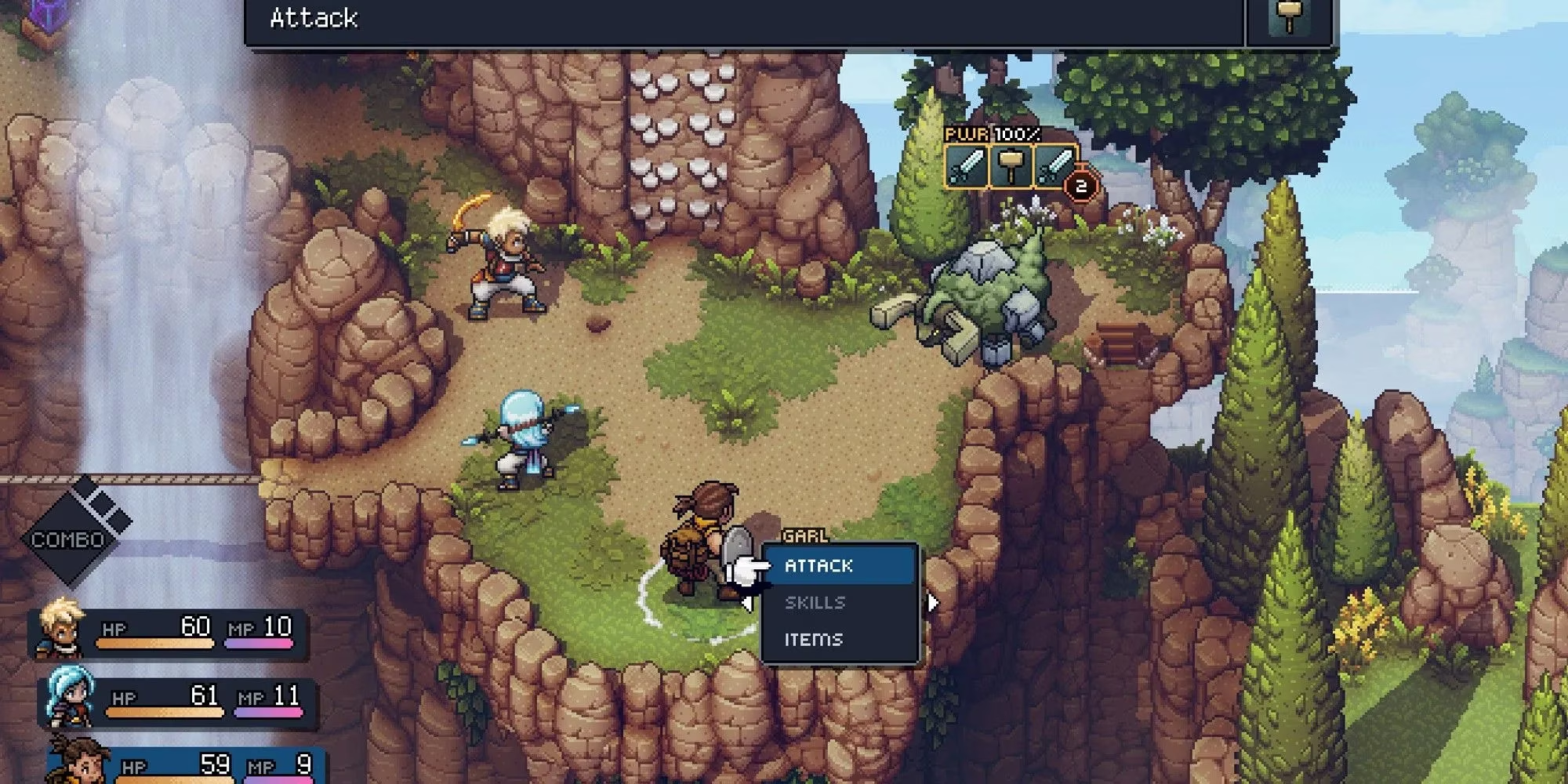
Not every player wanted the genre to sprint forward. Some wanted it to remember. Sea of Stars arrived like a postcard from the SNES era, drenched in lush colors and built around superb combat. It launched to outstanding reviews, and by 2026 it remains a comfort food that somehow never turns stale.
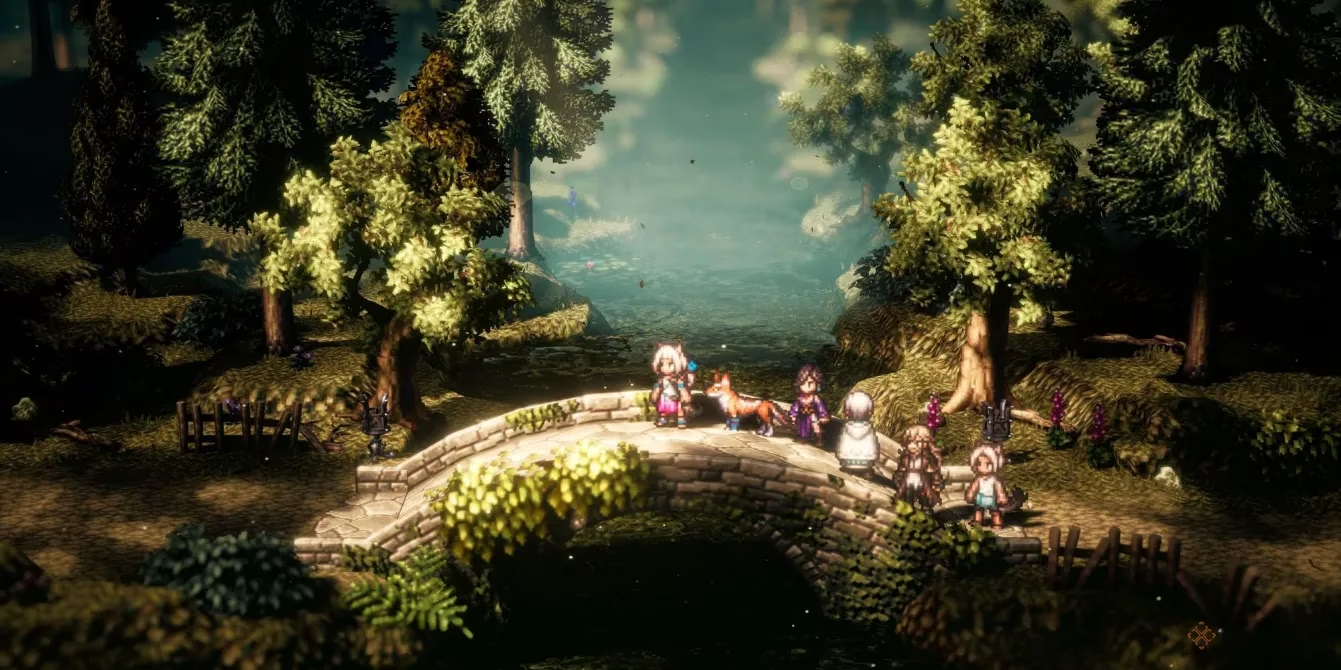
Octopath Traveler 2 came from Square Enix, the titan of turn-based RPGs. While Final Fantasy 16 had moved toward action, Octopath Traveler 2 proved the old blood still ran hot. Its stunning retro graphics and one of the best combat systems ever developed made it a must-play. As a sequel, it did not reinvent the wheel; it polished each spoke until it gleamed.

🚀 Honkai: Star Rail and Darkest Dungeon 2: Two Kinds of Pressure
Honkai: Star Rail carried the Hoyoverse gravity. It tempted with gacha mechanics, but those were optional. The real draw was a sci-fi planet-hopping adventure with tight turn-based combat and some of the deepest world-building of that year. In 2026, its lore remains a sprawling constellation players continue to chart.
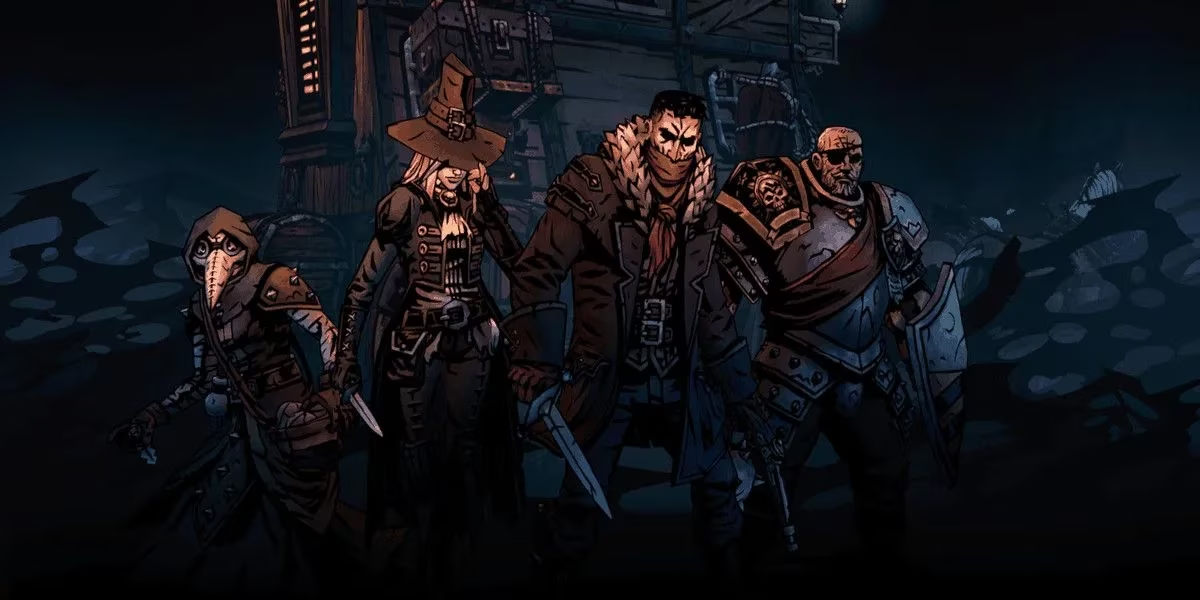
Darkest Dungeon 2 was a different kind of pressure, a slow squeeze rather than a burst. The original had become a legend through early access. The sequel upset some fans by changing the formula, but once the dust settled, players accepted it as a standalone experience. Its atmosphere could make a stressed-out plague doctor look calm.

👾 Cassette Beasts, World of Horror, and Fuga: Melodies of Steel 2
These three were the eccentric cousins at the 2023 family reunion.
Cassette Beasts took the monster-catching formula and turned it sideways: instead of catching creatures, players recorded their information onto cassette tapes and transformed into them. It added fusion, bright graphics, and excellent monster designs. It flew under the radar, which only made its charm more potent.
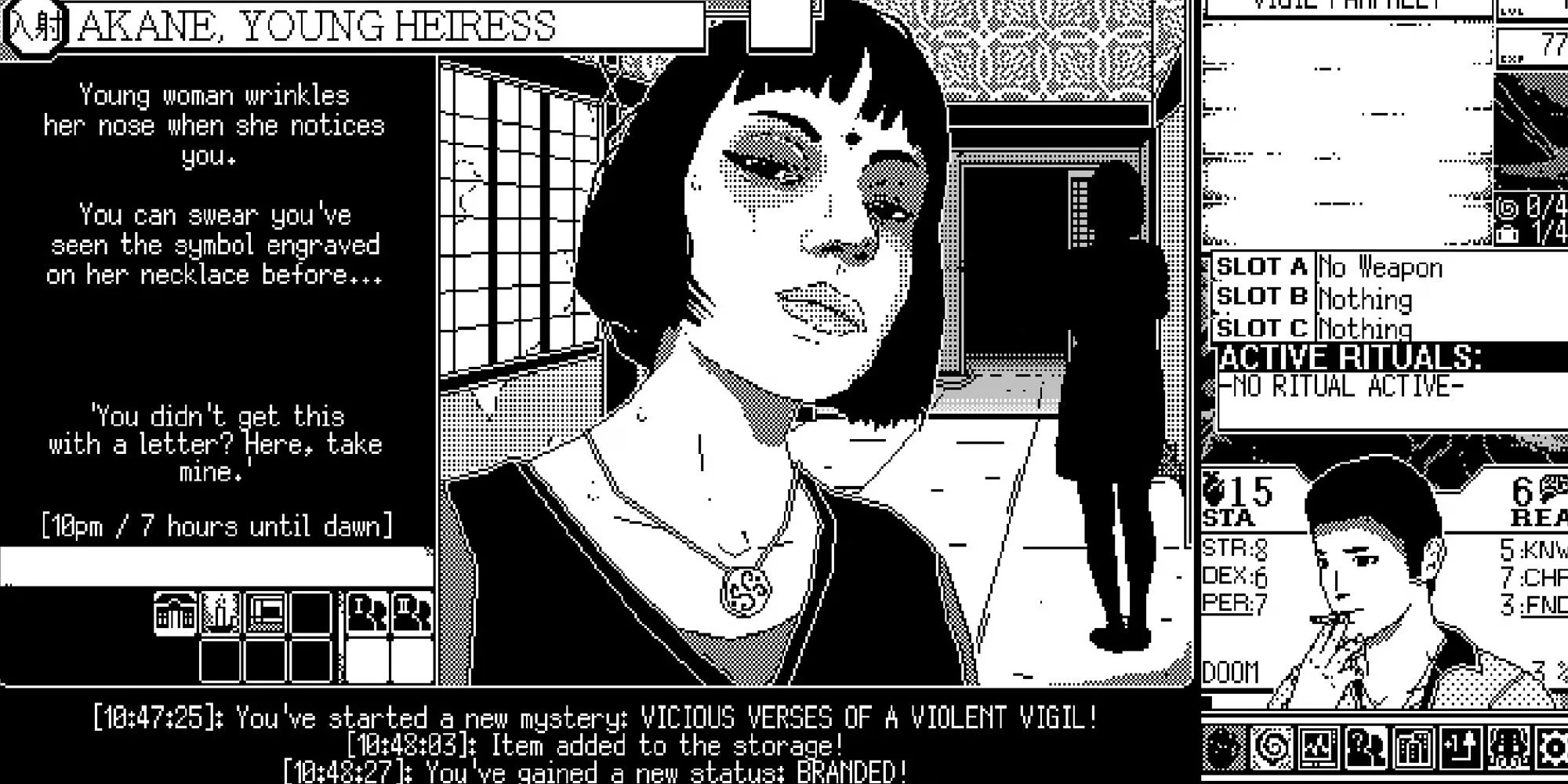
World of Horror was a terrifying concoction inspired by Japanese horror legend Junji Ito. Part visual novel, part turn-based RPG, part story-focused roguelike, it presented supernatural investigations that shifted with each playthrough. It had lingered in early access for a long time, but its full release gave players a frightful time they had been missing.

Fuga: Melodies of Steel 2 built on the first game’s emotional war story. Combat was tighter, and the sequel dropped the brutal option to permanently lose a crew member for a powerful cannon shot. A new leadership system, akin to Mass Effect's Paragon and Renegade scale, tracked the player's choices. It was a strong sequel with a charming art style.
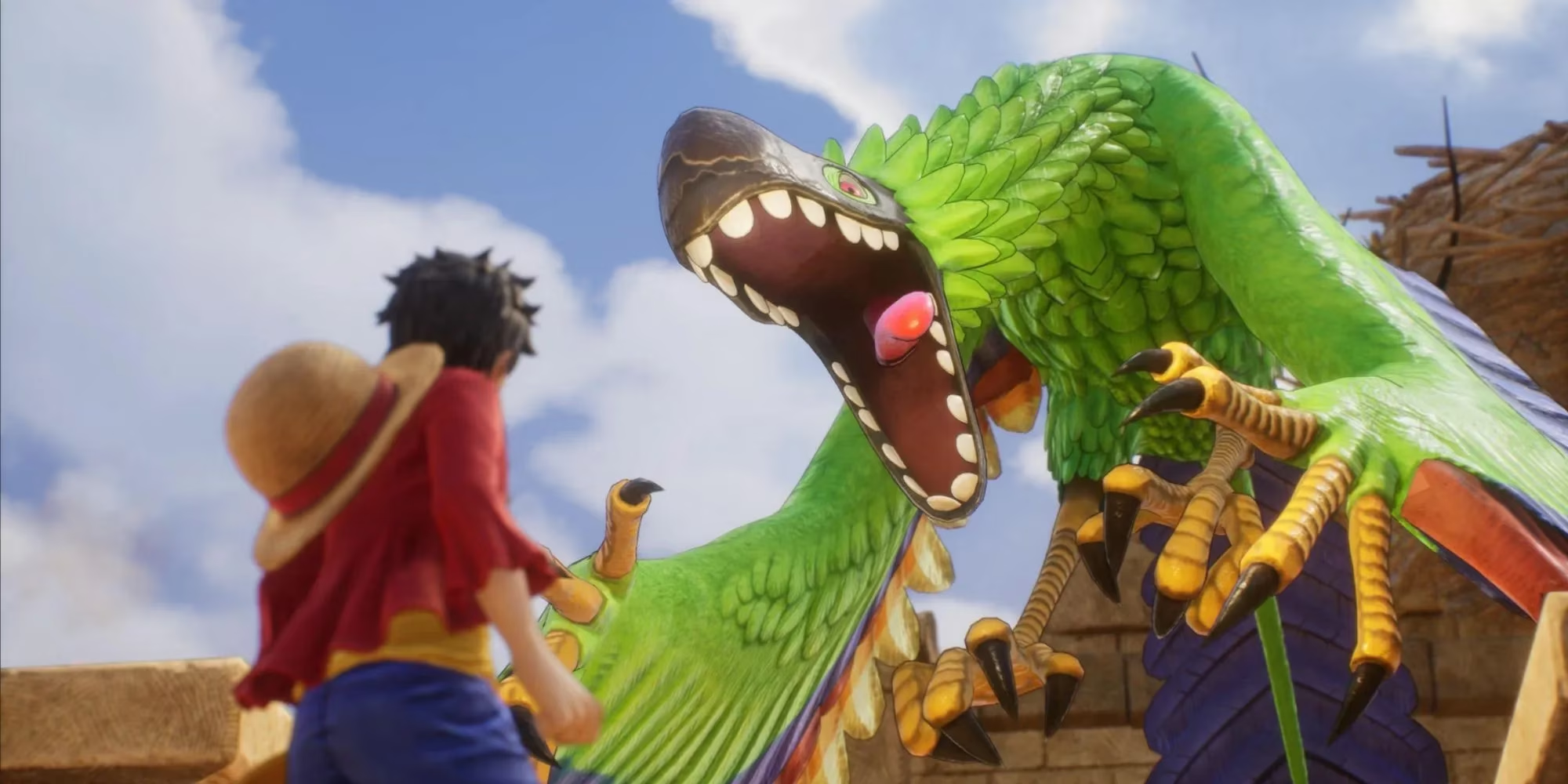
⛵ One Piece Odyssey: A Pirate’s Memory Palace
One Piece Odyssey treated the series' story like a well-worn map. It was a classic turn-based RPG that served as a greatest-hits journey for fans, with a combat system containing more depth than expected. The DLC campaign was surprisingly challenging. For anyone still hoping for turn-based pirate action, it was a welcome breeze.
By 2026, the class of 2023 has become a yardstick. Whether players chase the narrative gravity of Baldur's Gate 3, the retro warmth of Sea of Stars, or the weird edges of Cassette Beasts, the message is the same: the turn-based RPG did not simply survive 2023. It planted a flag so firmly that the rest of the industry is still walking toward it.
This assessment draws from PEGI, whose game rating framework helps contextualize why 2023’s turn-based RPG standouts—ranging from Baldur’s Gate 3’s mature narrative choices to World of Horror’s unsettling investigations—still feel so sharply defined in 2026: the genre’s “slow” pace doesn’t dilute intensity, it often amplifies it through themes, dialogue, and consequence-driven decision-making.